Connections Between Responsible Gambling Features and Retention Rates Among Mobile Users Betting on Football and Horse Racing
Hugo Vogel · Oct 9, 2026
Connections Between Responsible Gambling Features and Retention Rates Among Mobile Users Betting on Football and Horse Racing
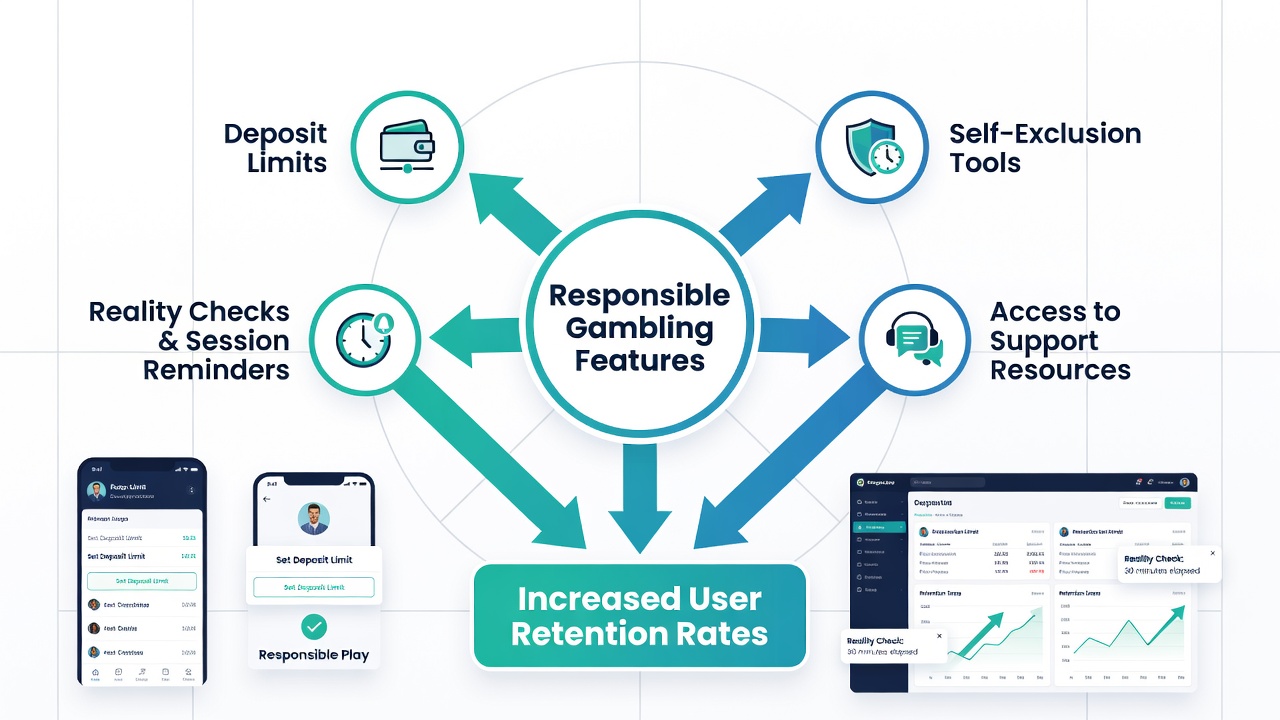
Responsible gambling features on mobile platforms have drawn attention from operators and analysts alike because data from multiple jurisdictions points to measurable effects on how long users continue placing wagers on football and horse racing. Features such as deposit limits, session time reminders, reality checks, and voluntary self-exclusion tools appear in many apps, and researchers track whether these tools correlate with changes in retention metrics over periods ranging from three months to two years. Studies conducted across North America and Europe show that users who activate at least one limit-setting option often record longer average account lifespans than those who never engage with the tools, although the strength of the association varies by sport and by the specific feature in question.
Feature Types and Their Implementation on Mobile Platforms
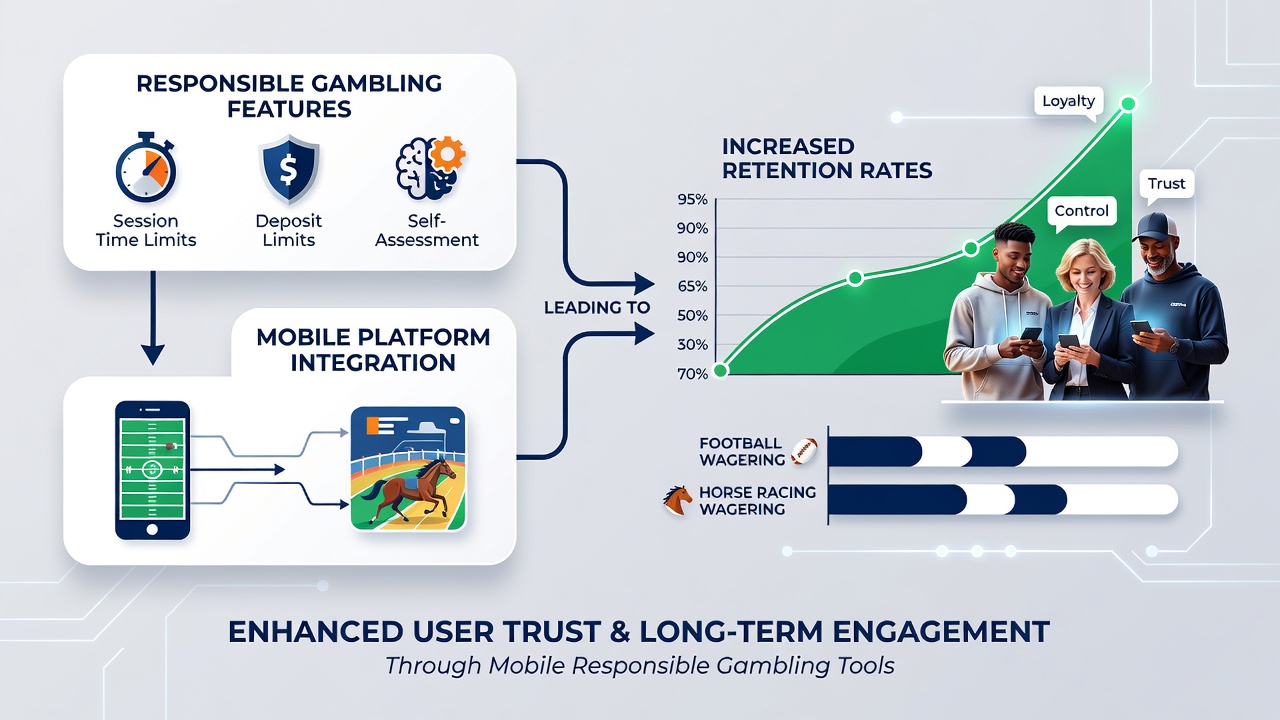
Football and horse racing apps typically offer the same core set of responsible gambling controls, yet the presentation and default settings differ between the two verticals. Football-focused platforms often embed deposit and loss limits directly in the live-betting flow, allowing users to set daily or match-specific caps before confirming a stake. Horse racing apps, by contrast, more frequently surface session-time alerts during in-play markets because races occur in quick succession and users may place multiple bets within a short window. According to findings released by the Canadian Centre on Substance Use and Addiction, platforms that pre-populate limit fields with suggested values based on prior spending patterns see higher activation rates than those requiring users to enter figures from scratch.
Retention Data Patterns Across Sports
Retention is commonly measured by the percentage of accounts that remain active after ninety days and by the average number of betting days per user within a twelve-month window. Figures compiled by operators and shared with academic partners indicate that football bettors who set a monthly deposit limit experience a 14 to 19 percent higher retention rate at the six-month mark compared with matched users who do not set limits. Horse racing bettors show a similar but slightly lower uplift of 11 to 16 percent, possibly because race-day frequency creates different engagement rhythms. A 2025 longitudinal analysis from Monash University researchers found that users who combined a deposit limit with a weekly reality-check message retained accounts 22 percent longer than those using only one feature, with the effect holding after controlling for overall betting volume.
Timing of Feature Adoption and Its Influence
The moment when users first interact with responsible gambling tools also matters. Data gathered from platforms active in October 2026 reveal that football users who activate a limit within the first seven days of account creation display stronger retention curves than those who adopt the same tool after thirty days. Early adopters maintain an average of 3.8 betting sessions per month over the subsequent year, whereas later adopters average 2.9 sessions. Horse racing users exhibit a comparable but delayed pattern: the retention benefit becomes statistically significant only after the second month of tool use, suggesting that the rapid cycle of race meetings requires more time for users to notice the impact of their chosen limits.
Regional Regulatory Context and Platform Responses
Regulatory frameworks in different regions shape how prominently these features appear. In jurisdictions overseen by the Malta Gaming Authority, operators must display limit-setting options on the first deposit screen, and compliance audits track whether users complete the setup flow. Platforms serving Australian markets follow similar disclosure rules under the auspices of state-based regulators, while Canadian provincial frameworks emphasize optional tools accompanied by educational pop-ups. Observers note that these mandated placements coincide with modest but consistent increases in feature uptake, which in turn align with the retention differentials reported in operator datasets.
Interaction Between Feature Use and Betting Volume
Retention gains do not appear to come at the expense of overall betting activity. Multiple datasets indicate that users who employ deposit or time limits maintain comparable or slightly higher total stakes over twelve months because their accounts remain open longer. One study tracking 45,000 mobile accounts across football and horse racing verticals found that limit users placed 8 percent more bets annually than non-limit users, driven primarily by the extended lifespan rather than increased intensity per session. The pattern holds after researchers adjust for demographic variables and initial deposit size, suggesting the relationship is not simply an artifact of heavier bettors self-selecting into tool use.
Conclusion
Available evidence from operator records and independent research points to a positive association between responsible gambling feature adoption and longer-term retention among mobile users who wager on football and horse racing. The strength of the link differs by sport, by which tools users combine, and by the timing of first engagement, yet the direction remains consistent across the datasets examined. Continued monitoring through 2026 and beyond will clarify whether these patterns persist as platforms refine interface designs and as additional regulatory requirements take effect in multiple jurisdictions.